[Back] [Menu] [Next]
Cognitive Science

"I think, therefore I am" - Descartes

Descartes argued that the ultimate truth can be deduced only from the real existence of a "thinking self." He assumed that the "thinking self" is independent of body or matter, as it does have an extension we can see and touch but does not think, a mind has no extension but thinks.

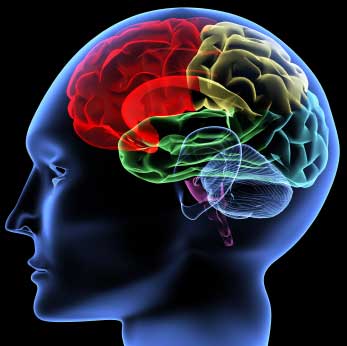
By the mid 1950s, cognitive views of learning and development gained dominance over the stimulus-response approach. With this renewed interest, research went into deeper levels into how individuals acquire, retain, recall and transform information. Cognitive Psychology is an approach to the study of the human mind that relies on an information processing metaphor and tests predictions of theories using human subjects engaged in cognitive tasks.

The early views of mind had the Greek philosophers identifying three aspects of the mind: Cognition (acts of intellect), conation (acts of will), and affect (acts of emotions) These are related to what we today identify as the distinction between structure (organization) and process (action).


Notes
Big Dog's HRD Page
About Page
donclark@nwlink.com
Copyright 1999 by Donald Clark
Created December 1, 1999
Last Update January 22, 2000
http://www.nwlink.com/~donclark/hrd/history/history.html